Nike Will Be Removed From the S&P 100 Following 77% Stock Plunge
PublishedQuick Facts
- Nike has been removed from the S&P 100 after first entering the index in 2008
- The company's stock has taken a nearly 80% hit from its highest point in 2021
- Multiple factors have led Nike to this point, but the brand is working on recovering
This content may contain affiliate links. If you make a purchase through these links, we may earn a commission.
Any company on planet Earth has experienced highs and lows with its stock, and Nike is currently dealing with the latter. The brand has moved past its eye-opening inventory issues that plagued the business in the early parts of the decade, but as of late, its stock price has taken a steep decline. Its highest point was on November 5, 2021, when the price hit $167.31 at the end of the trading day, but as of this writing, the price is sitting at $38.40. That’s a 77% dip from its all-time high, and to make matters worse, the company will be removed from the S&P 100.
What is the S&P 100?
The S&P 100 is an index that tracks 100 blue-chip companies on the United States stock market. It’s pretty diverse in its choices, ranging across a number of different industries and featuring household names like Costco, McDonald’s, Microsoft, AT&T, Walmart, JPMorgan Chase, and more.
When Did Nike Join the S&P 100?
Nike was first added to the S&P 100 in December 2008 and has remained on the index over the last 18 years. It was announced on September 4, 2026, that Nike would be removed from the S&P 100 on September 21, 2026. However, the company still remains on another major index, the S&P 500.
How Did Nike Get Here?
There isn’t one specific incident or action that can be attributed to Nike’s stock taking a nosedive and the company’s subsequent removal from the S&P 100. There are several factors.
Direct to Consumer
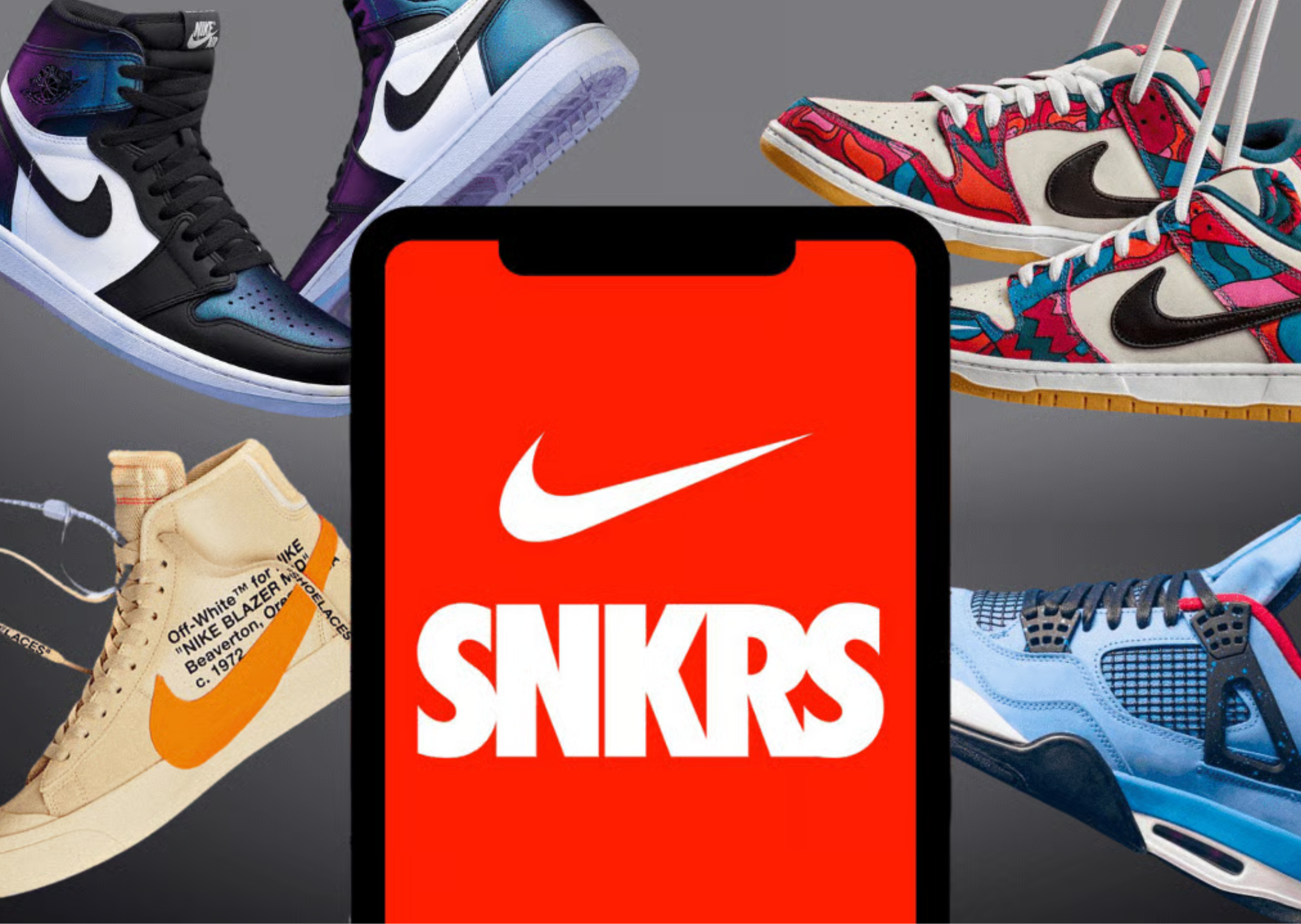
During the pandemic, Nike made a major push into its direct-to-consumer business, focusing a lot of resources on the initiative and shifting much of its stock to its own channels like the Nike and SNKRS apps and its website. It was a solid idea, but as the world reopened following the COVID-19 pandemic, customers began to move away from DTC channels. The company soured its relationships with wholesale partners such as Foot Locker, Dick’s Sporting Goods, and JD Sports, and has spent the last few years trying to rebuild them.
Old Franchises & Lack of Innovation
Then there’s the reliance on retro franchises. Customers can only take so much of the same products repeatedly released over and over in different colors or variants. Trends shift, and retro products from the ‘90s and before have fallen out of favor. Today, we see consumers are looking for tech runners from the 2000s and 2010s alongside innovative new designs from competitors like Hoka, On, Brooks, Saucony, and more.
Losing Market Share
Because aforementioned brands like Hoka have become serious threats in the running space, Nike has lost market share in a category that has been a pillar for the company in the past.
Trouble in China
Don’t forget that the United States is technically not the biggest market on Earth; that would be China. The country has a population of 1.4 billion, so there’s 2.8 billion feet to cover. Chinese brands became more coveted in the Chinese market, not only because of brands like ANTA and Li-Ning continuing to create innovative products, but also because of “guochao.”
Roughly translated as “national tide,” guochao refers to the current surge in national pride and the embrace of Chinese culture. COVID was a major factor in the growth of guochao amongst the population, as lockdowns prevented purchases from Western labels.
Tariffs and Supply Chain Costs
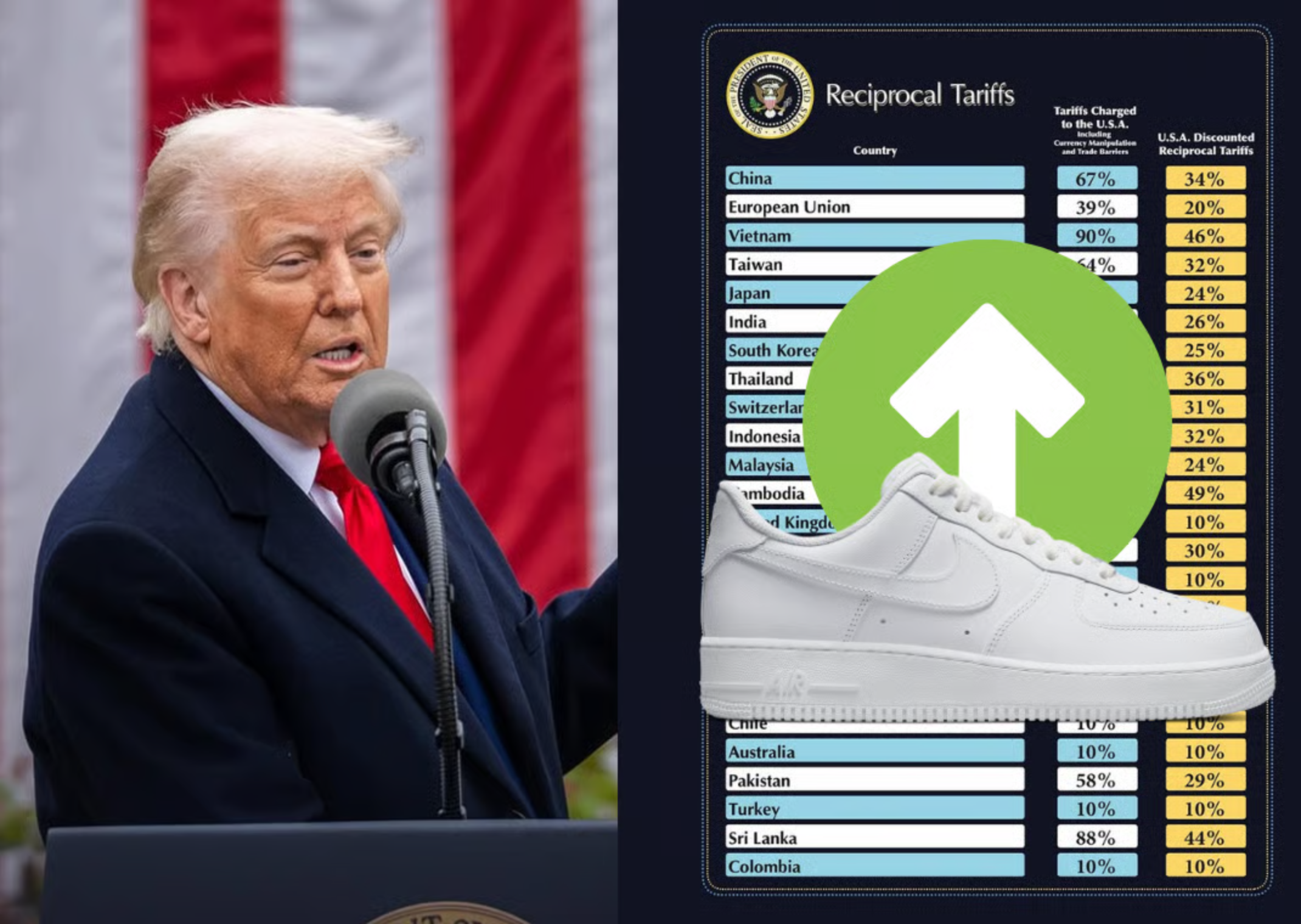
Because the majority of Nike’s products are produced overseas, import tariffs imposed by the Trump administration have played a major role in the company’s stock taking a hit. Nike had to increase sneaker prices following the implementation of tariffs in April 2025.
What’s Next for Nike?
Nike will continue to address the problems it’s been facing, and CEO Elliott Hill has begun this monumental task. He’s been actively repairing the wholesale relationships, but there’s much more to be done. Nike has to create new products and franchises that excite sneakerheads and consumers rather than rely on the past.
It won’t be an overnight overhaul of the company, as many of these factors will take years to address. At the end of the day, it’s Nike, still one of the largest and most recognizable brands on the planet. The coming years will show just how well it can recover from this major stumble.
Sneakerhead from South Florida who turned his passion into a career. When not writing for Sole Retriever, I enjoy watching films and discovering music. Follow me on Letterboxd @nickvlah For tips, reviews, or any shoes in a size 13, email nick@soleretriever.com